
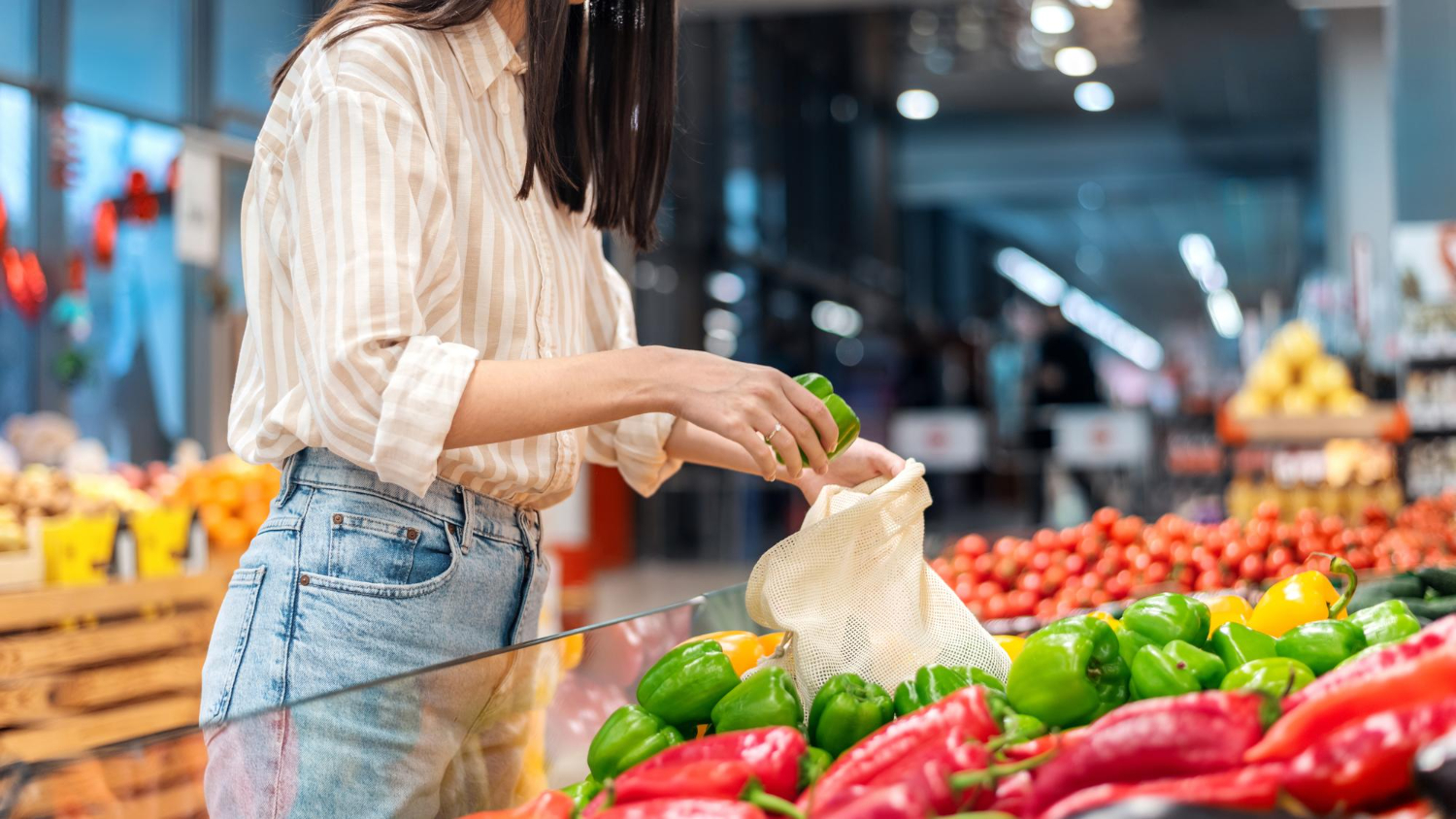
Rising prices at the grocery store have become an unavoidable reality for many households. Inflation affects not just how much we spend, but also how we shop, what we buy, and even how we plan meals. Understanding these changes can help shoppers make smarter decisions and stretch their grocery budgets without sacrificing nutrition or convenience.
Rising Prices Are Shifting Priorities
Inflation has caused prices for everyday essentials—like milk, eggs, meat, and fresh produce—to climb steadily. Many families are now prioritizing affordability over brand loyalty or premium products.
Key changes:
-
Switching to store brands or generic alternatives
-
Choosing frozen or canned produce instead of fresh to save money
-
Buying in bulk to reduce per-unit costs
More Strategic Meal Planning
With food prices higher, shoppers are taking meal planning more seriously. Instead of making last-minute trips, families are planning meals around ingredients that are on sale or versatile across multiple dishes.
Tips for shoppers:
-
Use weekly store flyers and apps to find deals
-
Plan meals that use overlapping ingredients to reduce waste
-
Incorporate more plant-based proteins, which are often cheaper than meat
Coupons and Digital Deals Are More Valuable Than Ever
Coupons and cashback offers have become essential tools in combating rising grocery costs. Many shoppers are now combining multiple discounts to get the best value.
Strategies gaining popularity:
-
Using store apps for digital coupons and weekly promotions
-
Stacking manufacturer coupons with sales
-
Leveraging loyalty programs for extra savings or points
Shift Toward Frozen and Shelf-Stable Foods
To cope with higher prices and reduce waste, many families are turning to frozen and canned foods. These options are often cheaper than fresh produce, last longer, and retain much of their nutritional value.
Benefits:
-
Lower overall cost per serving
-
Reduced spoilage and food waste
-
Convenience for meal prep and storage
Rethinking Protein Sources
Inflation has significantly affected meat prices, leading shoppers to explore alternative protein sources.
Trends:
-
Increased use of beans, lentils, eggs, and frozen seafood
-
More plant-based or hybrid meat products
-
Portion control and meal stretching, like adding vegetables to meat dishes
Bulk Buying and Smart Stockpiling
Some shoppers are buying in bulk to lock in lower prices per unit, particularly for non-perishable items. However, inflation also requires careful planning to avoid overbuying items that may spoil.
Advice:
-
Focus on pantry staples like rice, pasta, beans, and canned goods
-
Rotate older items to prevent waste
-
Combine bulk purchases with coupons or cashback for maximum savings
Emotional and Behavioral Changes
Inflation isn’t just affecting what we buy—it’s changing how we feel about grocery shopping. Shoppers are more price-conscious, checking unit costs, comparing brands, and delaying non-essential purchases.
Common behaviors:
-
Spending more time browsing for deals
-
Experimenting with new brands or store products
-
Cooking more at home to reduce reliance on takeout
Inflation has fundamentally altered grocery shopping habits. Consumers are more strategic, price-conscious, and creative in their meal planning. While rising costs are a challenge, they also encourage smarter shopping practices—like using coupons, comparing prices, and incorporating frozen or bulk items—that can help families maintain a balanced diet while staying within budget.
By understanding these shifts, shoppers can navigate inflationary pressures more effectively, making the most of every dollar spent at the grocery store.