
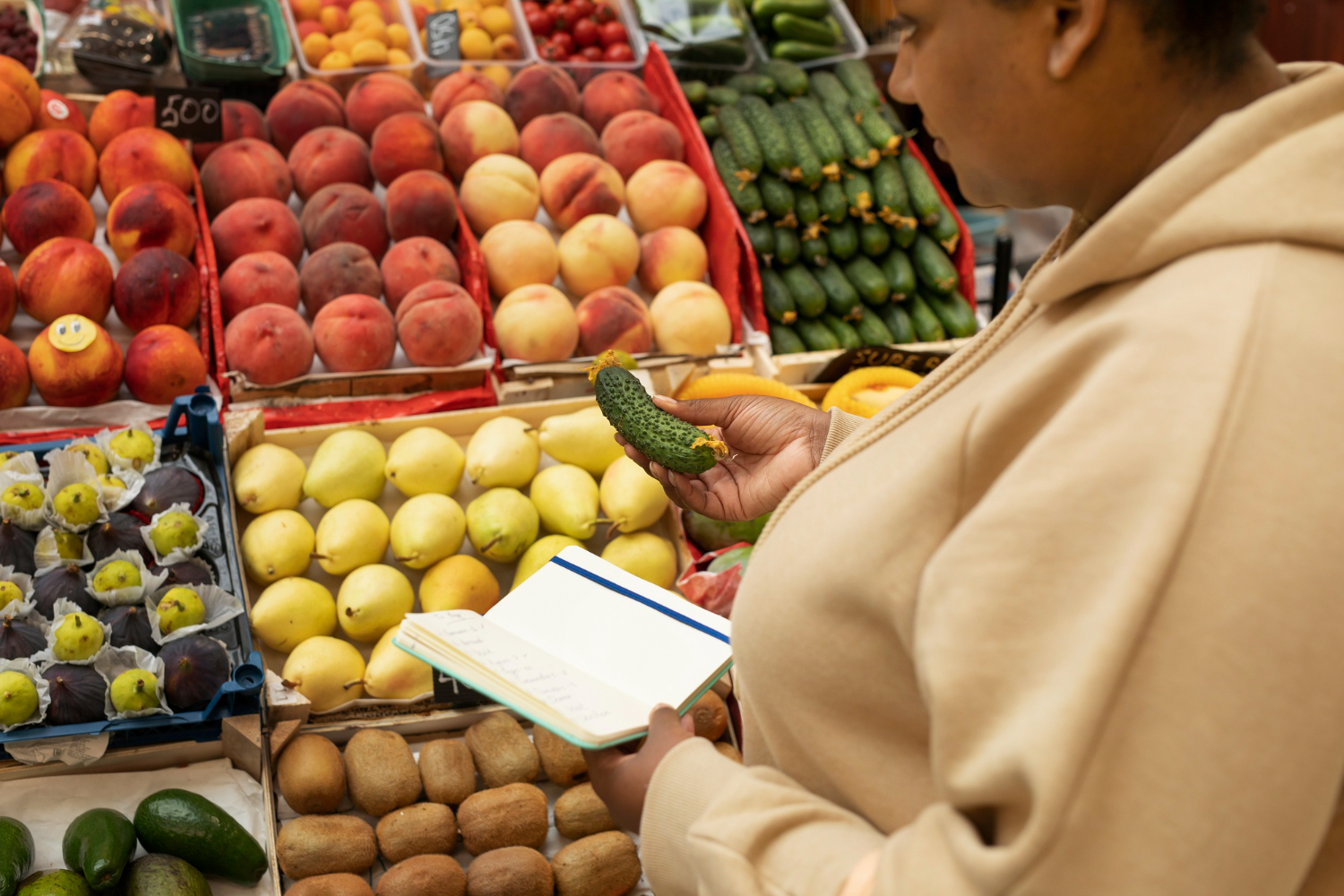
Feeding your family on a tight budget can feel like a juggling act. With rising food costs and endless product choices, it’s easy to overspend or make compromises on nutrition. However, with strategic planning, smart shopping habits, and a little creativity, it’s possible to stretch every dollar while still putting healthy, satisfying meals on the table. Here’s a practical guide to grocery shopping smart when money is tight.
1. Plan Your Meals in Advance
Meal planning is the cornerstone of budget-friendly shopping. When you know exactly what you’ll cook for the week, you avoid impulse purchases and reduce food waste.
Tips:
-
Plan simple meals using overlapping ingredients to maximize efficiency.
-
Include breakfast, lunch, dinner, and snacks in your plan.
-
Use leftovers creatively—roast chicken one night can become soup or sandwiches the next.
2. Make a Detailed Shopping List
A shopping list keeps you focused and prevents costly impulse buys. Organizing your list by store section—produce, pantry, dairy, frozen—can also save time.
Tips:
-
Keep a running list of staples that need restocking.
-
Stick to your list strictly to stay on budget.
3. Shop Sales and Use Coupons
Watching weekly store flyers and using digital coupons can make a noticeable difference in your grocery bill.
Tips:
-
Compare sale prices between stores.
-
Use loyalty programs to access exclusive discounts.
-
Stack coupons and promotions whenever possible for maximum savings.
4. Buy Store Brands or Generic Products
Many store-brand products offer the same quality as name brands at a lower price.
Tips:
-
Compare ingredients and nutrition labels to ensure quality.
-
Try store-brand staples like pasta, rice, canned goods, and dairy.
5. Focus on Budget-Friendly Proteins
Protein is often one of the most expensive parts of a grocery bill. Choosing affordable sources can save money without sacrificing nutrition.
Budget-friendly options:
-
Eggs, beans, lentils, and chickpeas
-
Canned tuna or salmon
-
Chicken thighs or drumsticks instead of premium cuts
-
Tofu or frozen meat alternatives
6. Embrace Frozen and Canned Produce
Fresh fruits and vegetables can be pricey, especially out of season. Frozen and canned options are often cheaper, last longer, and retain nutrients.
Tips:
-
Choose low-sodium or no-salt-added canned vegetables.
-
Look for frozen fruits with no added sugar.
-
Mix fresh, frozen, and canned to balance cost, convenience, and nutrition.
7. Buy in Bulk When Practical
Bulk buying can lower the cost per unit, especially for pantry staples like rice, pasta, oats, and beans.
Tips:
-
Only buy bulk items if you can store them properly and use them before they expire.
-
Split bulk items with friends or family to reduce upfront costs.
8. Limit Processed and Convenience Foods
Pre-packaged meals, snack packs, and ready-to-eat items are convenient but often more expensive.
Tips:
-
Cook meals from scratch when possible.
-
Prepare snacks like granola bars, popcorn, or fruit cups at home.
-
Batch cook and freeze meals to save time and money.
9. Track Prices and Compare Unit Costs
Paying attention to the price per ounce or pound helps you spot real bargains.
Tips:
-
Compare similar products to find the best value.
-
Take note of regular prices for frequently bought items to recognize sales.
10. Be Flexible and Seasonal
Buying produce in season is usually cheaper and fresher. Flexibility in recipes allows you to take advantage of sales and seasonal deals.
Tips:
-
Substitute ingredients based on what’s affordable.
-
Incorporate seasonal vegetables and fruits into your meals.
Grocery shopping on a tight budget doesn’t have to mean sacrificing quality or nutrition. With planning, smart shopping strategies, and a focus on versatile, affordable ingredients, you can stretch every dollar and still feed your family well. The key is preparation, discipline, and flexibility—small habits that add up to big savings over time.